



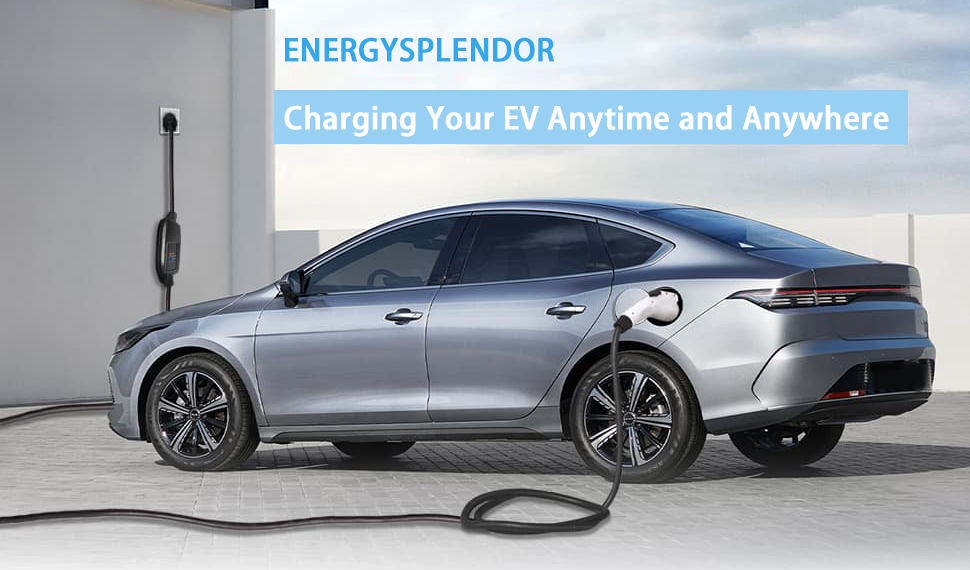
As the world transitions towards cleaner and more sustainable transportation, new energy vehicles (NEVs) have become increasingly popular. However, one of the biggest challenges for NEVs is the lack of charging infrastructure, which can limit their adoption and usability. In recent years, the development of charging piles for NEVs has gained significant attention, with governments and businesses around the world investing heavily in this technology. In this article, we will discuss the current development status and future development trends of charging piles for NEVs, with a focus on data analysis.
Current Development Status:
Currently, the global NEV charging pile market is growing rapidly, with a compound annual growth rate (CAGR) of 30.8% between 2020 and 2027, according to a report by Grand View Research. In 2020, the global NEV charging pile market was valued at $14.3 billion and is expected to reach $48.7 billion by 2027. The market is driven by the increasing adoption of NEVs, government initiatives to promote the use of electric vehicles, and the need for a more sustainable transportation system.
China is the largest market for NEV charging piles, accounting for over 70% of the global market share. According to the China Association of Automobile Manufacturers, the sales of NEVs in China increased by 10% in 2020, with over 1.3 million units sold. The Chinese government has set a target of having 5 million NEVs on the road by 2025, which will require a significant increase in charging infrastructure. As a result, the Chinese government has invested heavily in the development of charging piles for NEVs, with over 800,000 public charging piles installed by the end of 2020.
In Europe, the NEV market is also growing rapidly, with sales of NEVs increasing by 137% in 2020. The European Union has set a target of reducing CO2 emissions by 55% by 2030, which will require a significant increase in the adoption of NEVs. To support this goal, the European Commission has proposed an investment of €30 billion in charging infrastructure, including the installation of 3 million public charging points by 2030.
Future Development Trends:
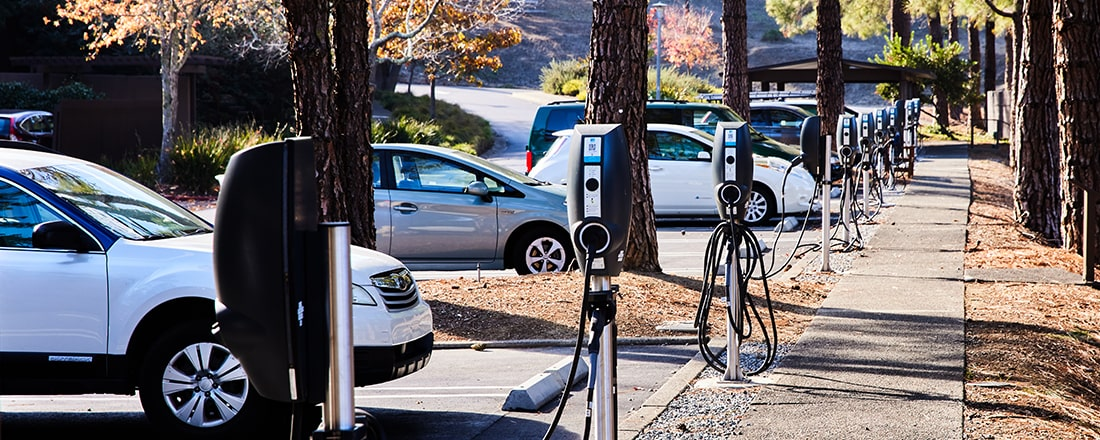
The development of charging piles for NEVs is expected to continue to grow rapidly in the coming years, driven by several trends. These trends include the increasing adoption of NEVs, advancements in charging technology, and the emergence of new business models.
One of the biggest trends in NEV charging is the development of fast charging technology. Fast charging technology allows NEVs to charge their batteries quickly, reducing charging time from hours to minutes. This technology is critical for the widespread adoption of NEVs, as it addresses the range anxiety issue that many consumers have when considering electric vehicles. In addition, advancements in battery technology, such as solid-state batteries, will further improve the charging experience for NEV owners.

Another trend in the NEV charging market is the emergence of new business models. These include the development of charging networks, where companies like Tesla and Electrify America are building large networks of charging stations across the country. These networks will allow NEV owners to travel longer distances without worrying about the availability of charging infrastructure. In addition, some companies are exploring the idea of using renewable energy sources, such as solar and wind, to power their charging stations, further reducing the environmental impact of NEVs.
Conclusion:
The development of charging piles for NEVs is a critical component of the transition to a more sustainable transportation system. The current development status of the NEV charging market is growing rapidly, with China leading the way. In the future, we can expect the development of fast charging technology and the emergence of new business models to further drive the growth of the NEV charging market



info@energysplendor.com